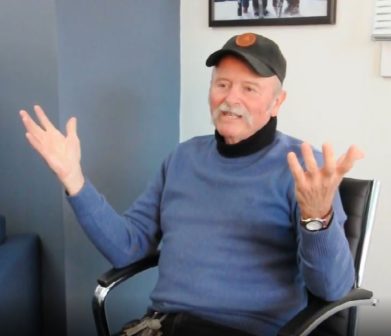
In 2009, after a severe wind and rainstorm, water entered their home through a partially open window, causing what initially appeared to be a minor flooding issue. Like most homeowners would, Bob and Judy contacted their homeowner’s insurance company, trusting that the damage would be properly addressed. The insurer and its remediation contractor assured them the problem would be handled.
It wasn’t.
The remediation work was incomplete and poorly performed. As a direct result, black mold began developing inside the home. What started in one room slowly spread throughout the house, colonizing the air and exposing Bob and Judy to toxic conditions. During this time, both became ill. Judy—already living with leukemia and a compromised immune system—was especially vulnerable. Their symptoms escalated from burning eyes to bronchitis and pneumonia, yet the insurance company continued to minimize the problem and perform inadequate follow-up work.
Eventually, independent mold experts determined the home was unsafe to occupy. Air sampling revealed widespread contamination, including Stachybotrys, one of the most dangerous forms of black mold. The house was condemned. With nowhere else to go, Bob and Judy were forced to live in a small camping trailer on their own land—through multiple winters in Foster—while Judy’s health continued to decline.
Even then, the insurance company attempted to resolve the matter by making an extremely low settlement offer, one that would not have allowed the home to be properly repaired or replaced. Bob, a deeply trusting and principled man, initially gave the insurer the benefit of the doubt. But as it became clear they were exploiting his vulnerability and his wife’s illness, he sought help from Daley Orton.
What followed was a long and hard-fought legal battle. Through litigation and discovery, Daley Orton uncovered that the insurer not only knew its offer was insufficient, but that this conduct reflected a broader pattern of bad-faith handling. During the deposition of the insurance adjuster, the firm obtained critical admissions that the company had failed to meet its obligation to treat its insured fairly and honestly.
That moment shifted the case.
With trial approaching and leverage finally established, the insurance company agreed to compensate Bob and Judy. While the case could have proceeded to trial, time and Judy’s declining health mattered more than prolonging the fight. The case ultimately resolved through settlement, providing Bob and Judy with the resources they needed to rebuild.
The recovery allowed them to construct a new home on their property—a safe, clean space where Judy could live her final years in peace. Bob carried his wife across the threshold of that home. She spent her remaining time there, watching birds through the windows, surrounded by dignity and care. She passed away just before Christmas.
For Bob, the case was never about material gain. It was about integrity, accountability, and protecting the person he loved most. Through compassion, persistence, and principled advocacy, Daley Orton helped bring calm in the middle of a storm and peace where it mattered most.